

About The Book
The Boy Who Dreamed of Camelot
This novel opens with neglect rather than destiny. A stone well, sealed and ignored, waits behind a rural property where time has worn paths into the ground. Sam Parker finds it by accident. What follows is not a call to greatness but an introduction to responsibility. Camelot, as Sam encounters it, is not polished. It is functional. The systems that hold it together depend on attention, memory, and consistency. Knighthood is not bestowed through lineage or spectacle. It is practiced through maintenance, care, and discipline.
Merlyn appears not as a mystic but as a mapmaker. His guidance is fragmented, often inconvenient, and rarely comforting. Sam is forced to interpret rather than obey. Mistakes carry consequences. Progress comes unevenly. Symbolic elements emerge without overt explanation. The Ash Crown introduces moral tension rather than authority. The Shadow Ledger records mercy without recognition. These objects serve the story rather than dominate it, reinforcing the novel’s focus on choice and accountability.
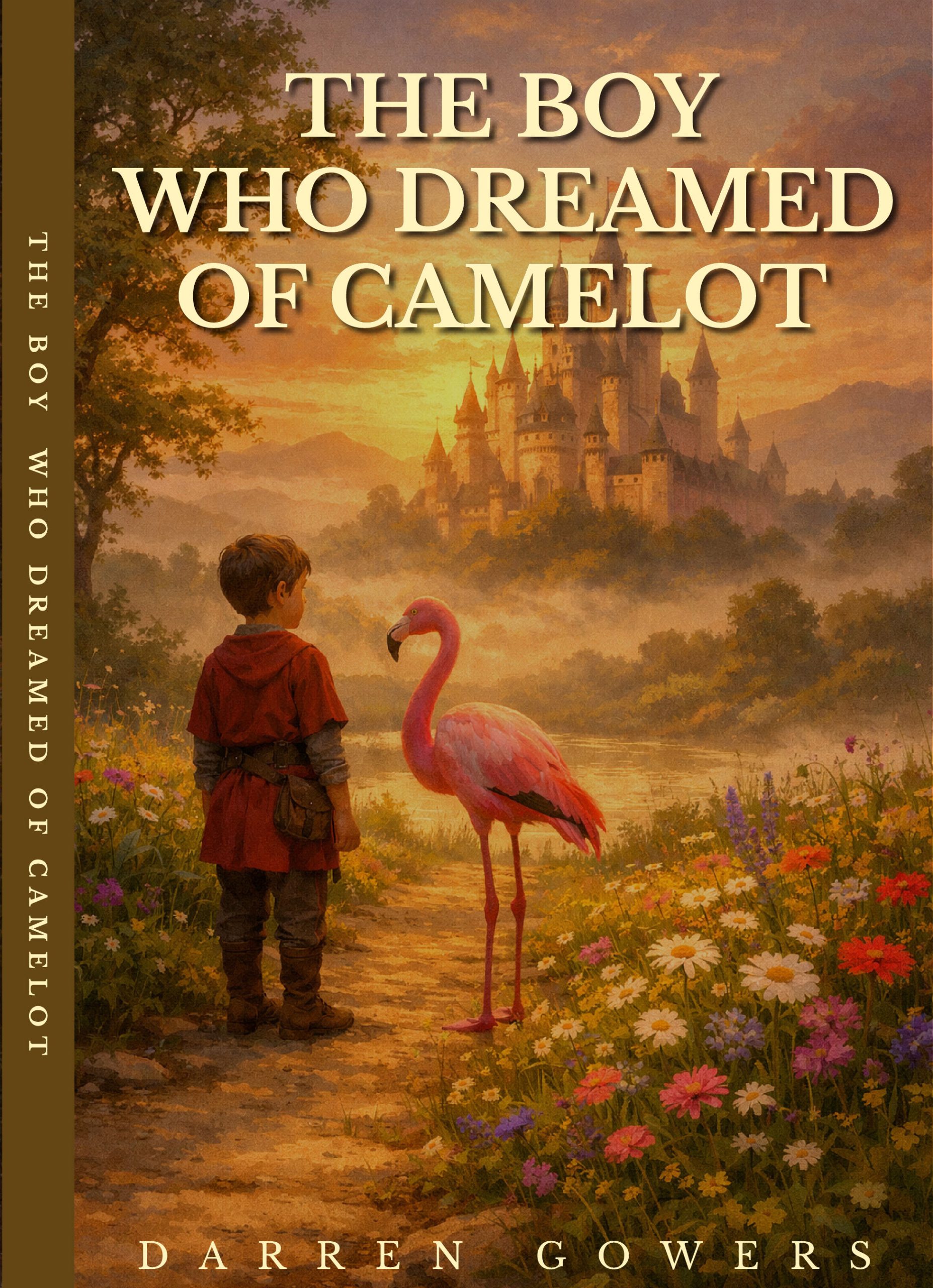
The book speaks to readers who value effort over shortcuts. It treats youth not as innocence but as a stage where responsibility begins to take shape. By placing legend alongside farm work and isolation, the novel connects mythic ideas to environments readers recognize. The Boy Who Dreamed of Camelot stands as an opening movement rather than a conclusion. It establishes a world where meaning is built, not granted, and where heroism grows from attention to what others ignore.